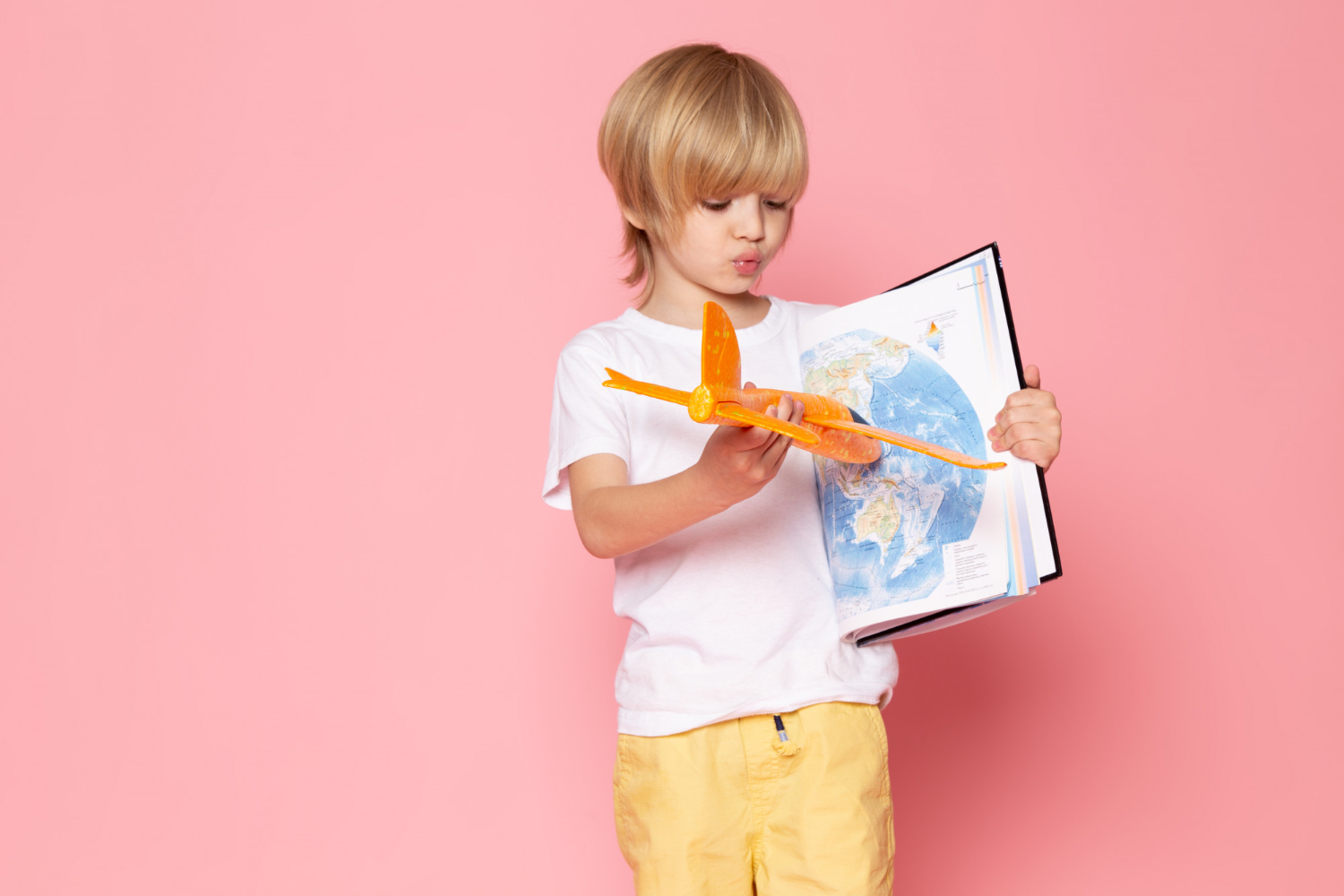
Every child is unique in their own way. What they really need is proper guidance and nurturing to build a stronger persona to face the world. Gaining knowledge has no limit and should never be restricted to books. Along with their schooling, travelling is an important part of education. A child does gain knowledge from the schooling curriculum, but they can experience their learning when exposed to the outer world.
Travelling and exploring new places is not just a holiday activity; it is a vital part of educating your child if planned accordingly. Travel is a more enriching experience, and an education system is considered complete when it includes travel as an important part of the curriculum. A complete education system is where a child can experience the world and learn life lessons from his or her experiences, along with all the regular curriculum. This strengthens a child’s ability to think, reason, and question their experiences in the world. No education is complete without an experience outside of one's own culture.
But does this mean an education system without traveling is a failure? Absolutely not; a conventional education system gives us degrees that are of utmost importance, and travelling adds life experiences that are equally valuable in becoming a complete, knowledgeable person.
It transforms abstract textbook notions into everyday reality. It develops real-world problem-solving abilities, increases cultural empathy, and promotes independence by allowing students to firsthand experience history, geography, and other human communities.
5 Reasons Why Travel Should Be an Essential Part of the Education System
While textbooks offer the fundamental theories, travel-based experiential learning closes the gap between academic ideas and real-world situations. When travel is incorporated into the educational system, passive learning is transformed into active, real-world engagement.
For kids to be well-rounded and prepared for the future, travel must be incorporated into the curriculum.
1\. Bridges the Gap via Experiential Learning

Travel converts abstract textbook concepts into concrete, meaningful experiences. Reading about the architectural genius of the world, like the Ajanta Ellora, Egypt Pyramids, or, say, the Roman Colosseum, and the ecological richness of the earth, be it the Amazon forests, Ranthambore forest, or hot springs, volcanoes, deserts, etc is interesting but substantially different from being there and experiencing it by oneself.
Tactile retention: Students who view, touch, and interact with their subjects get a significantly deeper cognitive knowledge of the information.
Walking throughout old battlefields or ancient ruins makes historical events more personal and memorable.
2\. Develops cultural intelligence and empathy.

Leaving their familiar home exposes kids to a variety of lifestyles, social realities, and belief systems. This real-world experience is the most powerful antidote to misconceptions and insular thinking.
Students learn to understand the world through the eyes of many other communities, which fosters genuine empathy. This introduces a sense of inclusivity and instills a fundamental understanding of global interconnectivity, preparing pupils to work across borders.
3\. Accelerated language acquisition and communication.
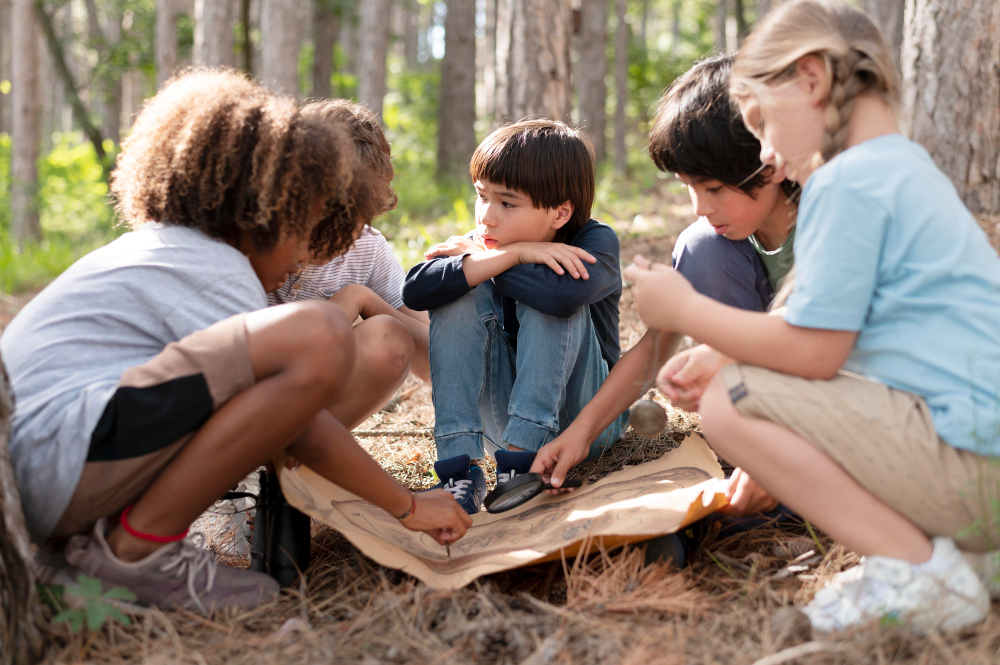
Classroom language learning teaches grammar, but travel necessitates practical application. Immersion requires students to handle real-world scenarios using local dialects.
Conversing with native community members dramatically improves conversational skills and accents.
Kids learn adaptive communication very easily. Despite language obstacles, kids learn nonverbal communication, active listening, and patience.
4\. Develops Crucial Life Skills for the Fast-Changing World
While travel presents real-world challenges, traditional educational environments often shield kids from minor conflicts. Adaptability and resilience are developed while navigating a strange environment.
It helps with critical problem-solving ability. Quick critical thinking is necessary to manage both personal and professional lives.
It instills the value of independence in growing-up kids, which comes with responsibility. Taking an educational trip without family is a significant step toward independence, responsibility, self-assurance, and accountability.
5\. Inspires lifelong curiosity and career vision.
An organized educational excursion can instill a love of learning that ordinary exam preparation cannot match. Exposure to the real world and diverse ecosystems broadens a student's understanding of what is possible and what he or she is passionate about.
It provides career path clarity. Visiting research facilities, global financial hotspots, or ecological reserves can directly inspire future academic interests.
Travelling helps to nurture curiosity, and curiosity is the best way to gain knowledge with interest. Exposing kids to the world out there enables them to continue asking questions and makes them keen on learning new things.
Wrapping Up
Gaining or giving knowledge has no end. Your kids can be well-educated with top-level degrees, but in a true sense, they will be considered knowledgeable only when they learn from real-world experiences. And this is possible only when travel becomes a crucial part of educating the kids of upcoming generations. Travel can provide contextualised learning opportunities that let little visitors actively participate, discover new places, and use social interactions to build an understanding of unfamiliar situations.
Travelling is an extremely beneficial tool for a child’s social and emotional development. Travelling during the developmental years of a child can provide them with enriching experiences that will prepare them to deal with the world with strength and righteousness.
- 5 Reasons Why Travel Should Be an Essential Part of the Education System
- 1\. Bridges the Gap via Experiential Learning
- 2\. Develops cultural intelligence and empathy.
- 3\. Accelerated language acquisition and communication.
- 4\. Develops Crucial Life Skills for the Fast-Changing World
- 5\. Inspires lifelong curiosity and career vision.
- Wrapping Up