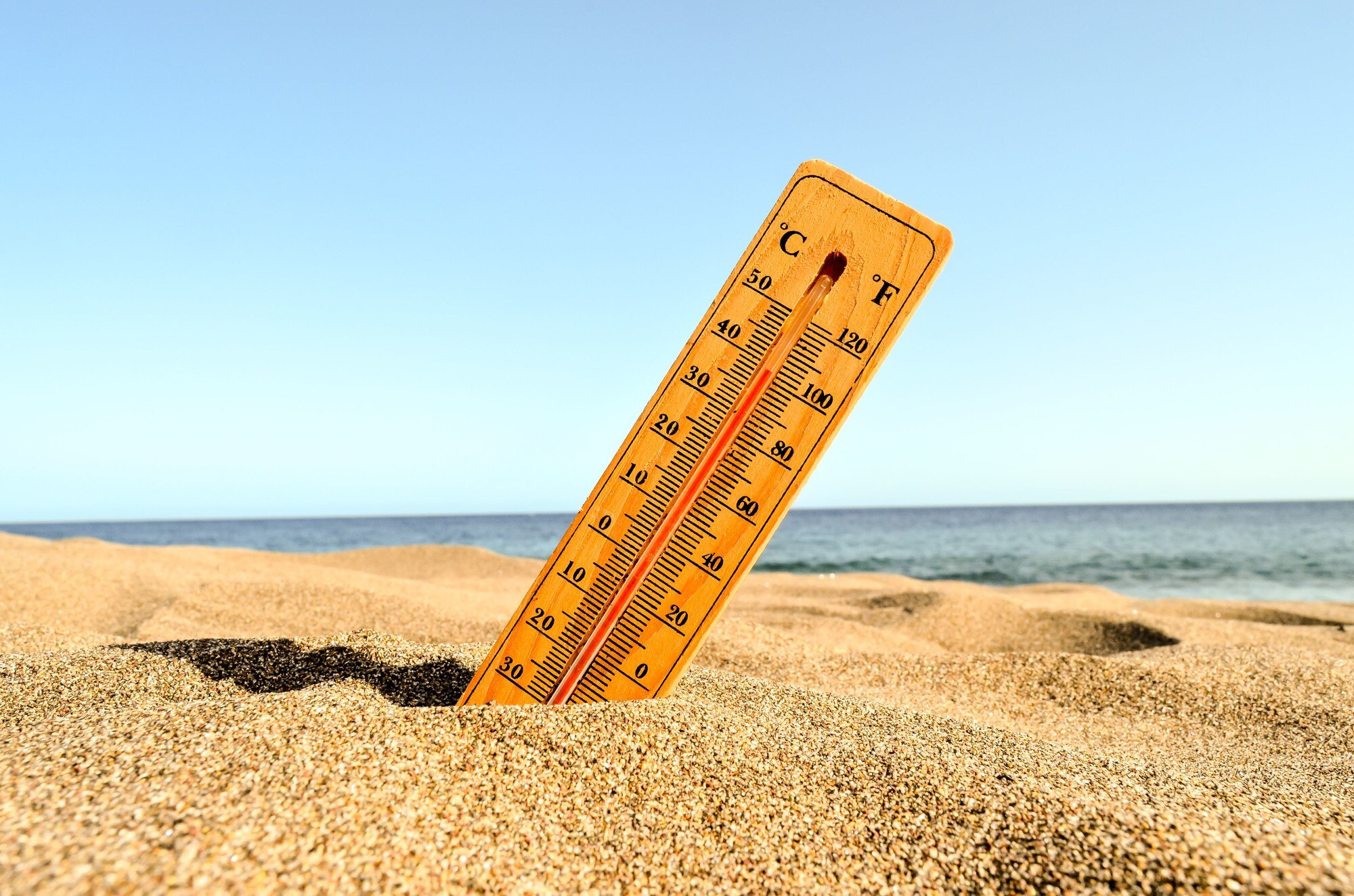
As we move forward with all of the innovations and growth taking place around the planet, the weather is also accelerating and shifting dramatically. In 2026, when Europe is struggling with this unanticipated heat wave, we may very well see this.
The intense heat that is plaguing Europe has broken records and taken so many lives. With exceptionally high temperatures from the UK and Ireland in the north, through Germany and France, and all the way down to Spain and Italy, a large portion of Western Europe is experiencing a severe spring heat wave.
This unseasonable springtime temperature shift is caused by a "heat dome." Similar to a lid on a boiling pot of water, this powerful, slow-moving, high-pressure atmospheric storm from northern Africa is trapping hot air over Europe.
Why is Europe Suddenly Turning Into a Furnace?
Europe is warming twice as quickly as the rest of the world. The average temperature has risen by 2.5 degrees Celsius (4.3 degrees Fahrenheit) since pre-industrial levels in the late nineteenth century. Analysts worldwide have reported an average increase of 1.4 degrees Celsius.
Rise in Temperature in Arctic
The only other region on the planet that is warming even faster than Europe is the Arctic, which is connected to Europe.
According to statistics from the EU's Copernicus Climate Change Service, the average temperature increase around the North Pole has now surpassed 3.3 C. This is because the darker, ice-free Arctic Ocean readily absorbs sunlight more than it is reflected by the ice.
Heatwaves in Europe are highly impacted by the Arctic, which modifies the jet stream, a swift-moving river of air. The Arctic warms rapidly as ice and snow melt faster and traps more sunlight. The temperature difference between propels the jet stream. This jet stream creates heat domes over Europe.
Shifting Winds of The Jet Stream
The temperature difference between the warmer tropics and the frigid Arctic is what triggers the jet stream. This temperature differential decreases as the Arctic warms.
The jet stream slows down, becomes wavy, and occasionally splits due to the diminished temperature differential.
This shift in the jet stream and the high-altitude river of wind flowing from the west is strongly influencing the rise in temperatures in Europe.
Pollution-Free Air Increasing Temperature
As per climate scientists, surprisingly clean air is somewhat responsible for the rising heat in Europe. According to the 2025 European State of the Climate report, stricter air quality rules since the 1980s have reduced air pollution, but they are now blamed for rising temperatures.
Before the implementation of clean air regulations, the early reports suggested the continent was indirectly cooled by microscopic, airborne reflective sulfate and nitrate particles emitted by manufacturing smokestacks and automobile exhaust, which "partially offset the warming caused by increased greenhouse gases.
However, this does not mean that the world should stop taking measures to improve air quality through emission controls.
The Heat-Dome Effect
When a persistent high-pressure region traps hot air across a larger area, similar to a lid covering a boiling pot, a heat dome is created. The heat wave will feel more severe if the heat dome is stronger and more effective.
The temperature difference between the warmer tropics and the frigid Arctic is what triggers the jet stream. This temperature differential can create massive slow-moving jet streams that trap heat over a particular area for a longer period of time. Even during the nighttime, the created high pressure restricts the area from cooling down, thereby maintaining a hotter temperature.
Lately, warm air moving up from Northern Africa has become trapped under a high-pressure system over Western Europe. This has increased the heat-dome intensity and is very much responsible for this unbearable heat wave havoc.
Tips To Cope With This Deadly Heat Wave Shock
A severe heat wave can be fatal, particularly for the elderly, young children, outdoor workers, pregnant women, and patients with underlying medical issues.
Therefore, you need to stay prepared to cope with the deadly heat.
Get Your House Ready For All Seasons

You might be living in the coldest part of the continent or in a tropical country; your house should be built in a way to battle all types of climate extremes. Europe, being a cooler continent, has houses built only to cope with a colder climate. But with the sudden alteration in climatic conditions that is happening worldwide, you never know how next year will turn out to be.
As most houses in Europe have no air conditioning and are built to trap heat and keep the house warm, you need to try to trap cool air inside at nighttime by keeping the windows open.
If your house gets too hot, find cool locations to go and stock up on drinking water and any medications. Always keep a check on the functionality of refrigerators, fans, and other cooling devices. When you prepare ahead of time, extreme heat is simpler to handle. Check on weather forecasts and heat alerts.
When Out, Stay Protected Against the Sun

Firstly, try to avoid stepping out in the sun, especially during the daytime. Always carry drinking water and stay hydrated. Use a hat or cap or umbrella to shield your head from direct sunlight if you intend to be in the sun during the middle of the day. Apply sunscreen every two hours to lower the chances of sunburn by preserving the skin's barrier. UV radiation can also affect the eyes and eyelids, so to prevent harmful exposure and lower the chance of eye damage, wear sunglasses.
Eat light and stay hydrated
 Drink water all day long, even before you become thirsty. You tend to become dehydrated more quickly than you think in intense heat. Stay away from booze. Digesting large meals gets difficult during summer and produces body heat. Replace heavy, spiced meals with lighter, easily digestible ones. Opt for fruits and vegetables that have high water content, like watermelon, cucumber, etc.

Identify The Red Flags Of Heat-Related Illness

Heat exhaustion symptoms include headache, nausea, cramping in the muscles, dizziness, and excessive perspiration. Move to a cooler area, take a break, and drink water right away if you encounter those. Heat stroke is a medical emergency that can be indicated by confusion, loss of consciousness, fast breathing, seizures, or a very high body temperature. Make an instant call to emergency assistance.
Choose A Cooler Shelter When the House Gets Too Heated

During heat situations, several cities operate special cooling centers; find the closest one by contacting your local council or health authority. Libraries, retail malls, community centers, cinemas, and covered parks can all provide comfort during times of intense heat. Trees, parks, green roofs, and other green places help to cool neighborhoods by providing shade and releasing moisture into the atmosphere. Choose covered walking paths wherever you can, spend time in green areas, and support initiatives to increase the amount of urban tree cover and natural cooling options.
Keep Your Body Cool By Reducing Your Body Temperature

Cooling your body directly might offer immediate relief as temperatures rise. You may lower your body temperature simply by taking a cool shower, soaking feet in cold water, or applying a moist cloth to the neck and wrists. Apply cool packs wrapped in a towel to pulse points where blood vessels are near the skin, such as the groin, neck, and armpits.
These easy methods can help avoid heat-related illnesses, work quickly, and require little to no equipment.
Wrapping Up
Our thirst for development and growth has accelerated global warming significantly. Lately, the climatic conditions have been unpredictable and extreme.
The recent catastrophic heatwaves in Europe are a clear indication that climate change caused by humans is now a terrible reality that is actively reshaping the continent.
In the end, these record heatwaves show that the infrastructure of today's society is nearing its maximum capacity. European countries need to rapidly reduce their systemic reliance on fossil fuels and accelerate local climate adaptation strategies that can cope with all types of weather extremes, both hot and cold, in order to maintain healthy livelihoods on the continent.
- Why is Europe Suddenly Turning Into a Furnace?
- Rise in Temperature in Arctic
- Shifting Winds of The Jet Stream
- Pollution-Free Air Increasing Temperature
- The Heat-Dome Effect
- Tips To Cope With This Deadly Heat Wave Shock
- Get Your House Ready For All Seasons
- When Out, Stay Protected Against the Sun
- Eat light and stay hydrated
- Identify The Red Flags Of Heat-Related Illness
- Choose A Cooler Shelter When the House Gets Too Heated
- Keep Your Body Cool By Reducing Your Body Temperature
- Wrapping Up