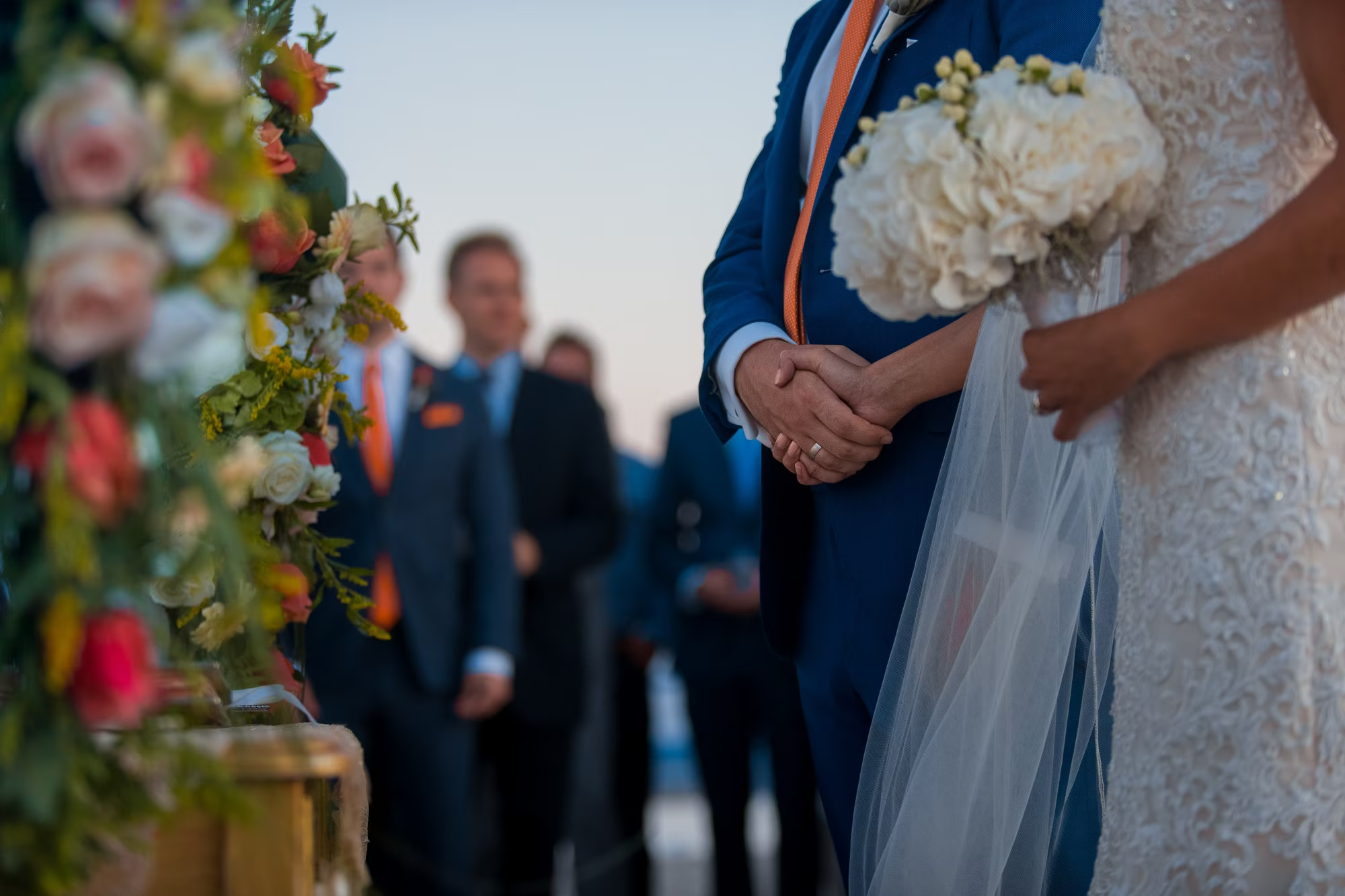
A wedding is the union of two individuals that brings friends and family together under one roof to celebrate this magical event. Undoubtedly, it is the big day for the couple, but the level of excitement among the friends and family is nothing less.
The wedding ceremony commemorates the beginning of a marriage. It usually includes the exchanging of vows, symbolic rituals, and post-wedding festivities such as a reception. Basically, the wedding is the occasion that formalizes and commemorates the partnership.
The wedding ceremony involves many rituals coming from age-old traditions. These traditions and rituals vary across the globe; some are fun, some are weird, but all share the same purpose: spreading love and joy.
As you read along, you will be surprised and shocked to learn about these unique rituals. Every ritual has deep cultural meaning and is intended to bring the couple good luck, fertility, or unity in their new life together.
Top 9 Unique Wedding Rituals
Get ready to be surprised while you explore the unique traditions of weddings from across the world.
Germany, Porcelain Smashing
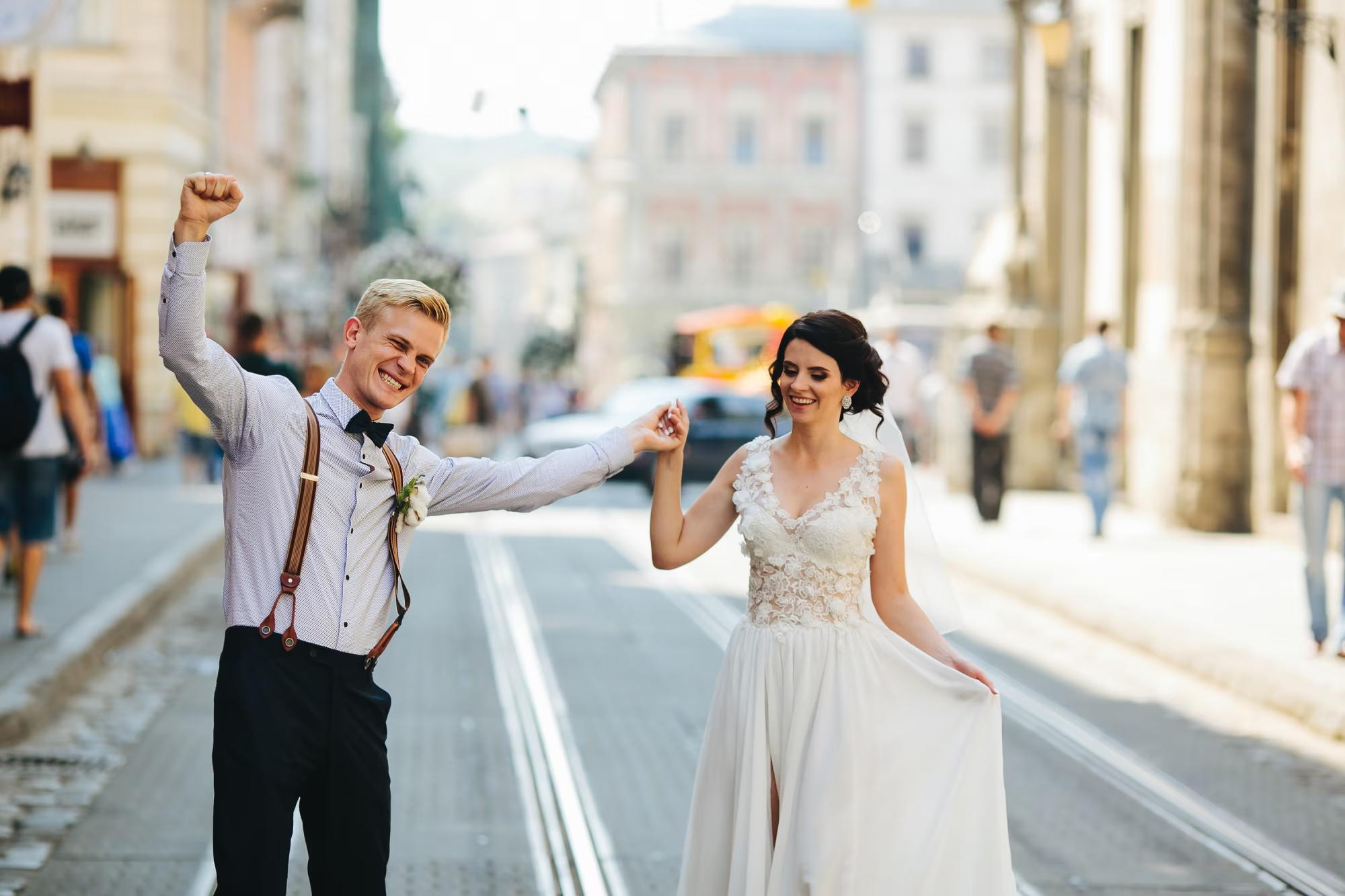
Porcelain smashing is a fun activity organised by the couple and termed as “Polterabend”. In this ritual, just the night before the wedding day, the guests gather in front of the bride’s home and smash porcelain plates to bring the couple good fortune. After they are done, the couple together cleans the entire area, clearing up the broken porcelain to ensure that they can walk through any hardship together with love and strength.
After the wedding is complete, there is another ritual where the newlyweds perform baumstamm sägen, a rite in which they work together to cut a log in half, then walk along a trail of fir branches that symbolize the couple's strength in union.
Italy, Bomboniere Favors
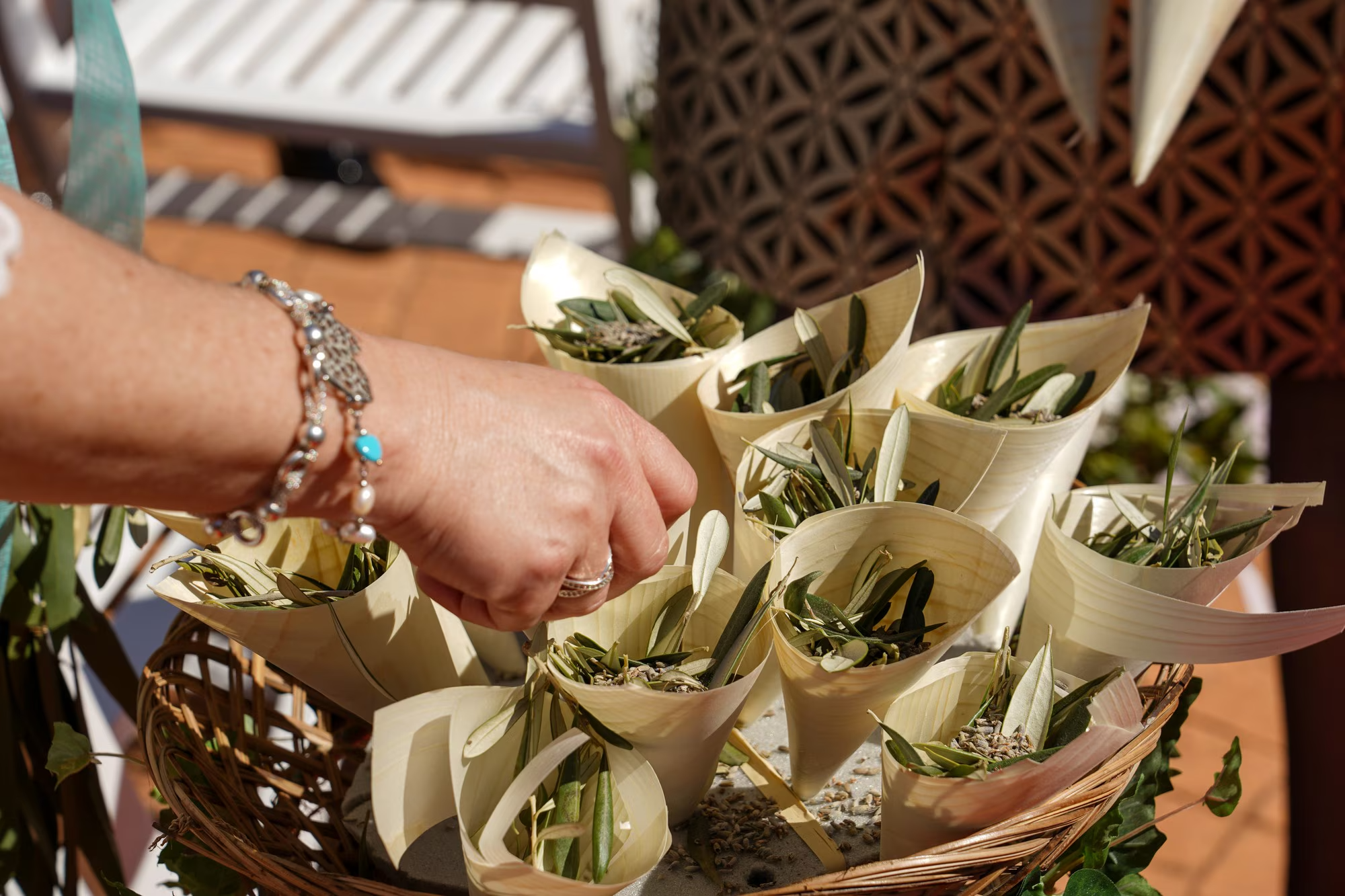
The end of a wedding is typically bittersweet; in Italy, the newlyweds frequently give their guests tiny party souvenirs called bomboniere. Italian bomboniere are confetti composed of sugared almonds that can be wrapped in a tulle bag or boxes decorated with ribbons and given as a thank-you gift. Almonds represent good luck and a common enjoyment of family life.
Philippines & Poland, The Money Dance
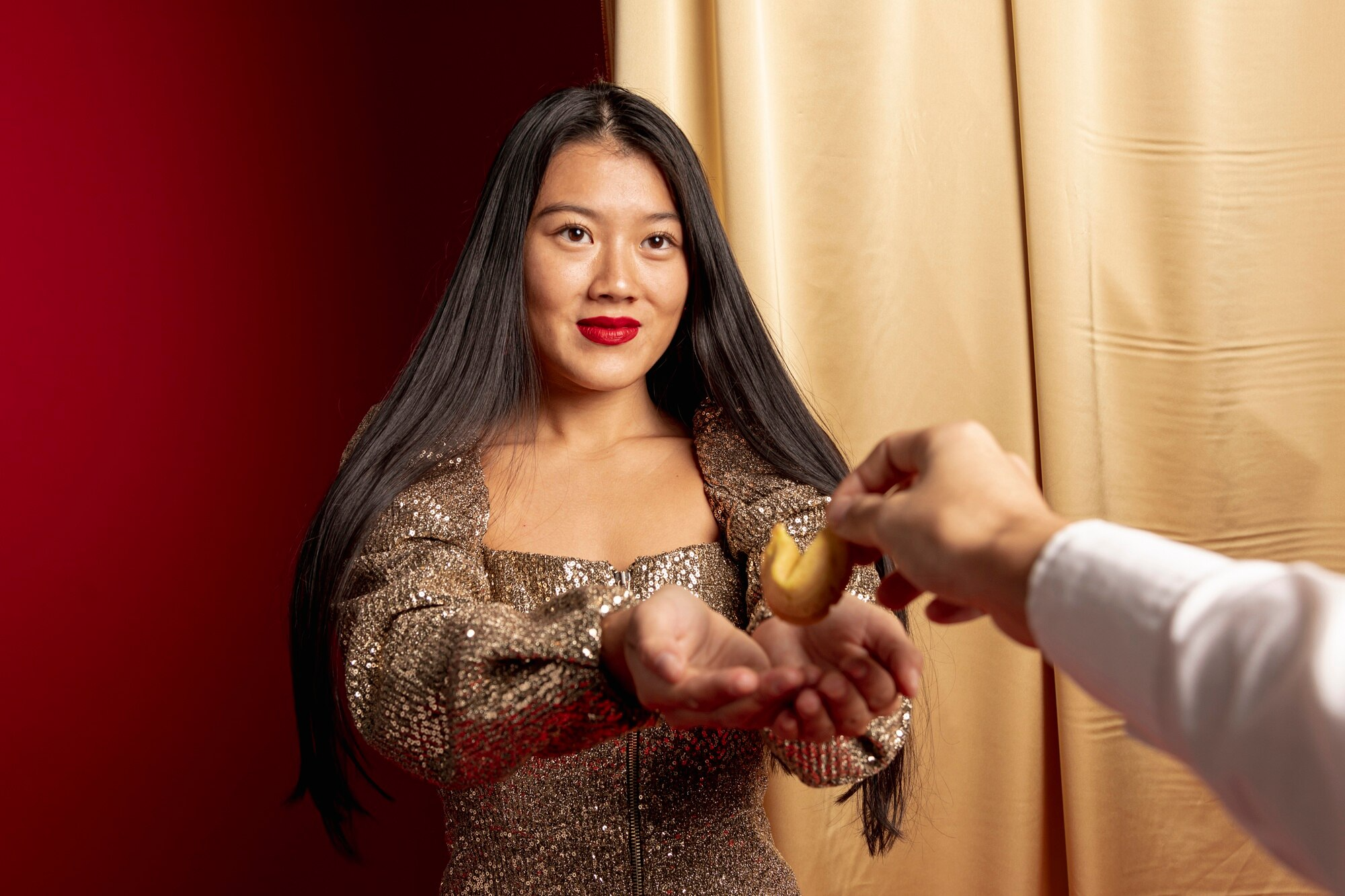
During the wedding reception, visitors can pay to dance with the bride or groom. In some variations, guests attach dollar coins or local currencies straight to the couple's attire. This festive tradition allows guests to shower the newlyweds with physical and financial support to help them begin their new life or pay for their honeymoon.
Guests, particularly godparents, may compete to be generous, typically arranging the banknotes into artistic crowns, capes, or colorful chains around the pair.
This ritual serves as a concrete manifestation of blessings, good fortune, and hopes for future financial prosperity of the newlywed couple.
Scotland, Blackening The Bride
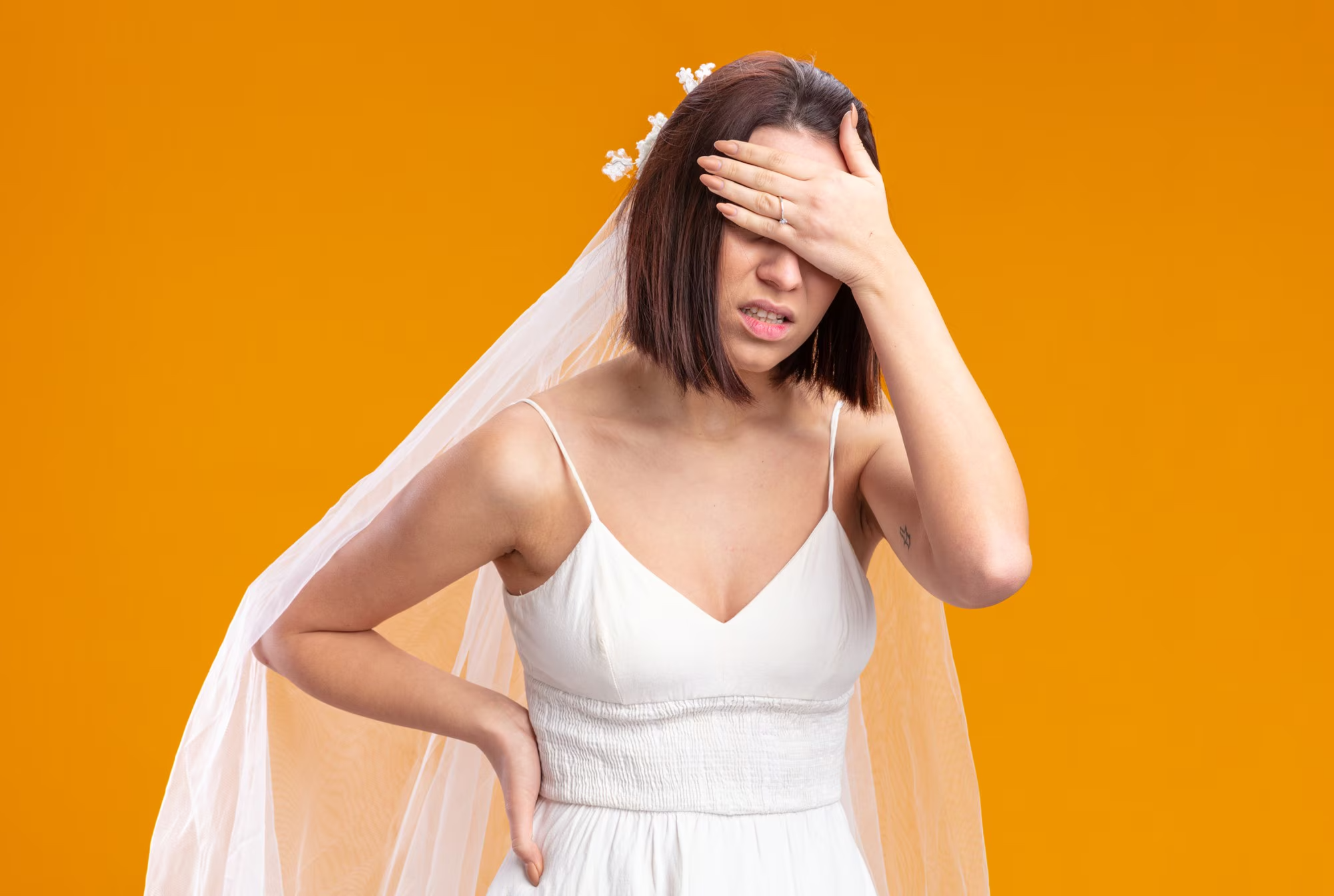
A long traditional, messy Scottish ritual that includes close friends first kidnapping the bride days before the wedding and then "blackening" the bride and sometimes together with the groom. They are ambushed and doused in soot, flour, feathers, and treacle (molasses). They are then paraded around the streets or led to a tavern.
Though it seems to be a malicious act, this ritual has deep love and affection to welcome the new couple into married life. This ritual is intended to fend off evil spirits and reflect the couple's ability to face humiliation together when life throws challenges.
China, Tears of Joy/ Zuo Tang
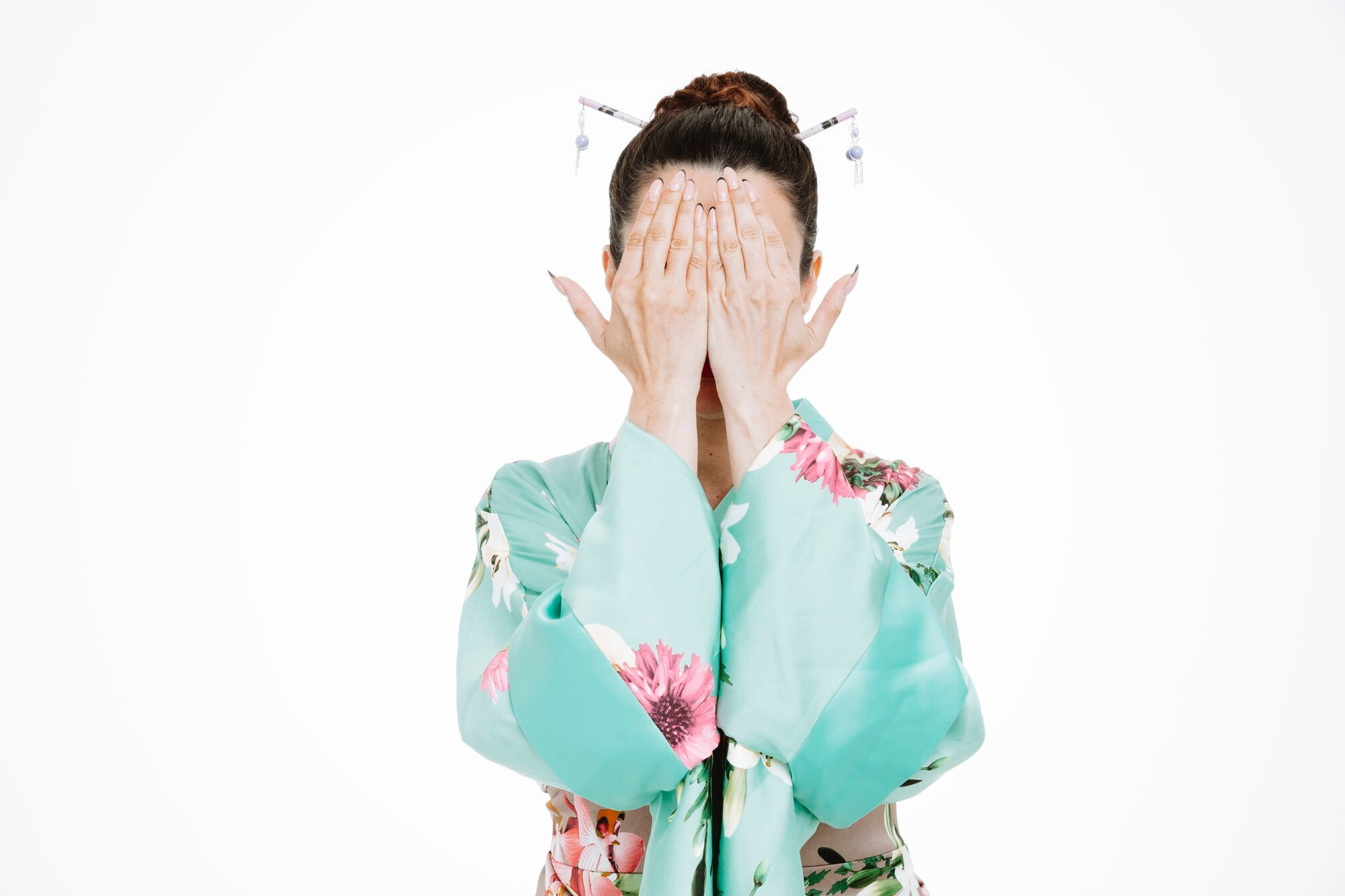
This tradition is followed by the Tujia community in China. For them, crying is a very important aspect of the wedding ceremonial prep. The ritual begins one month ahead of the wedding, when the bride starts to practice crying for about an hour every day. After ten days, the bride's mother joins her for the crying ritual; later she is joined by her grandmother and other female members of the family to cry together in sync.
Instead of showcasing sadness, this ritual turns out to be a beautiful rhythmic vocal art showcasing happiness and gratitude.
This custom represents the bride's mixed emotions as she joins a new family. In the past, it was perceived as a means of showing the bride's good upbringing; if she didn't cry, her community could think less of her.
Japan, Sake Ritual in San-San-Kudo
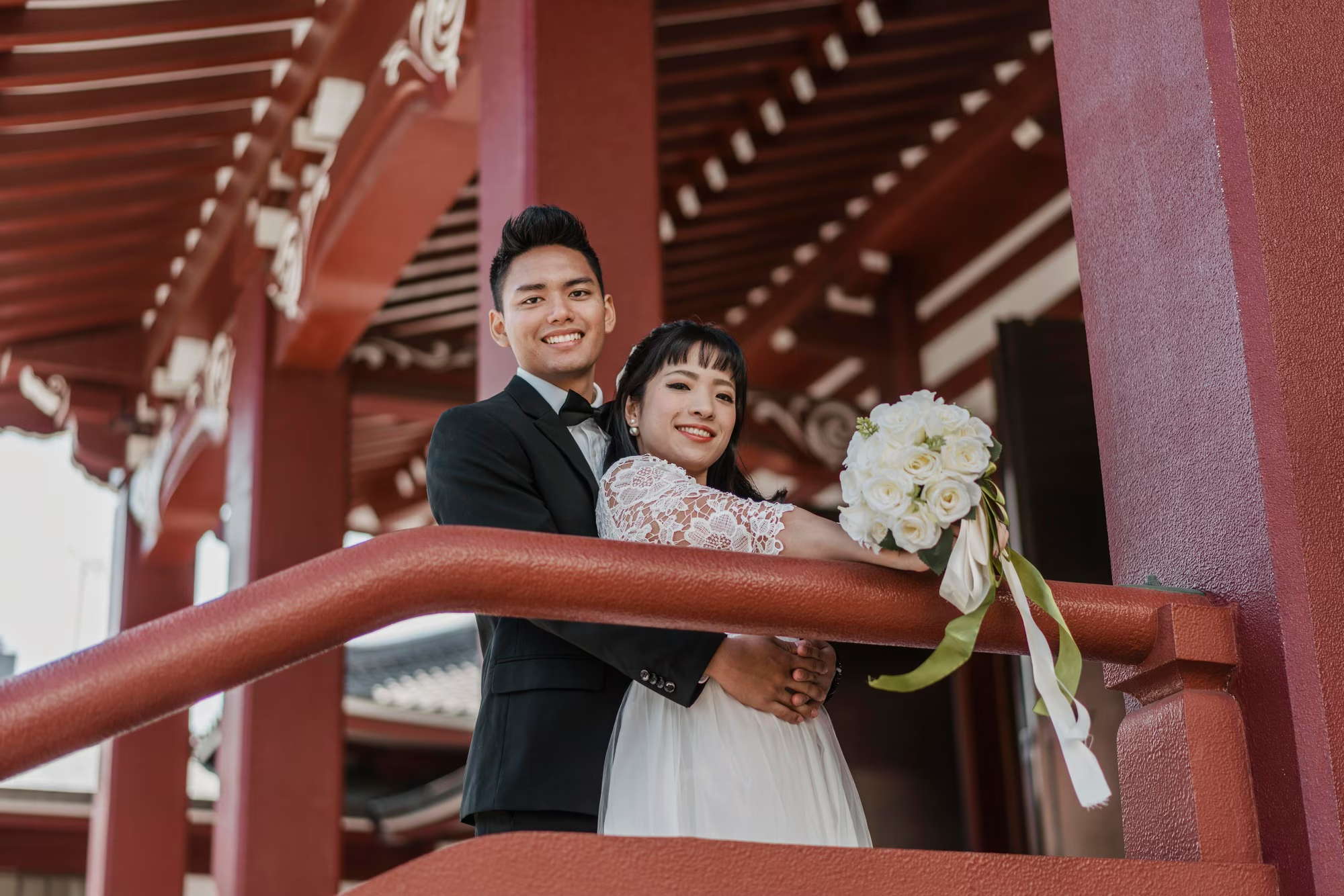
During traditional Shinto ceremonies in Japan, the bride and groom share three sips of sake from three separate tiered glasses.
The three stacked cups, ranging in size from small to huge, symbolize Heaven, Earth, and Humankind. The smallest cup symbolizes the past and devotion to the ancestors. The middle cup represents the present moment, reflecting the couple's closeness and devotion. The largest cup signifies the future and conveys hopes for wealth, harmony, and pleasure. The three sips from each cup are also thought to cure the couple's three flaws: passion/hatred, ignorance, and rage. This "three, three, nine" ritual is thought to bring wealth and an enduring bond.
Kenya, The Spitting Ritual
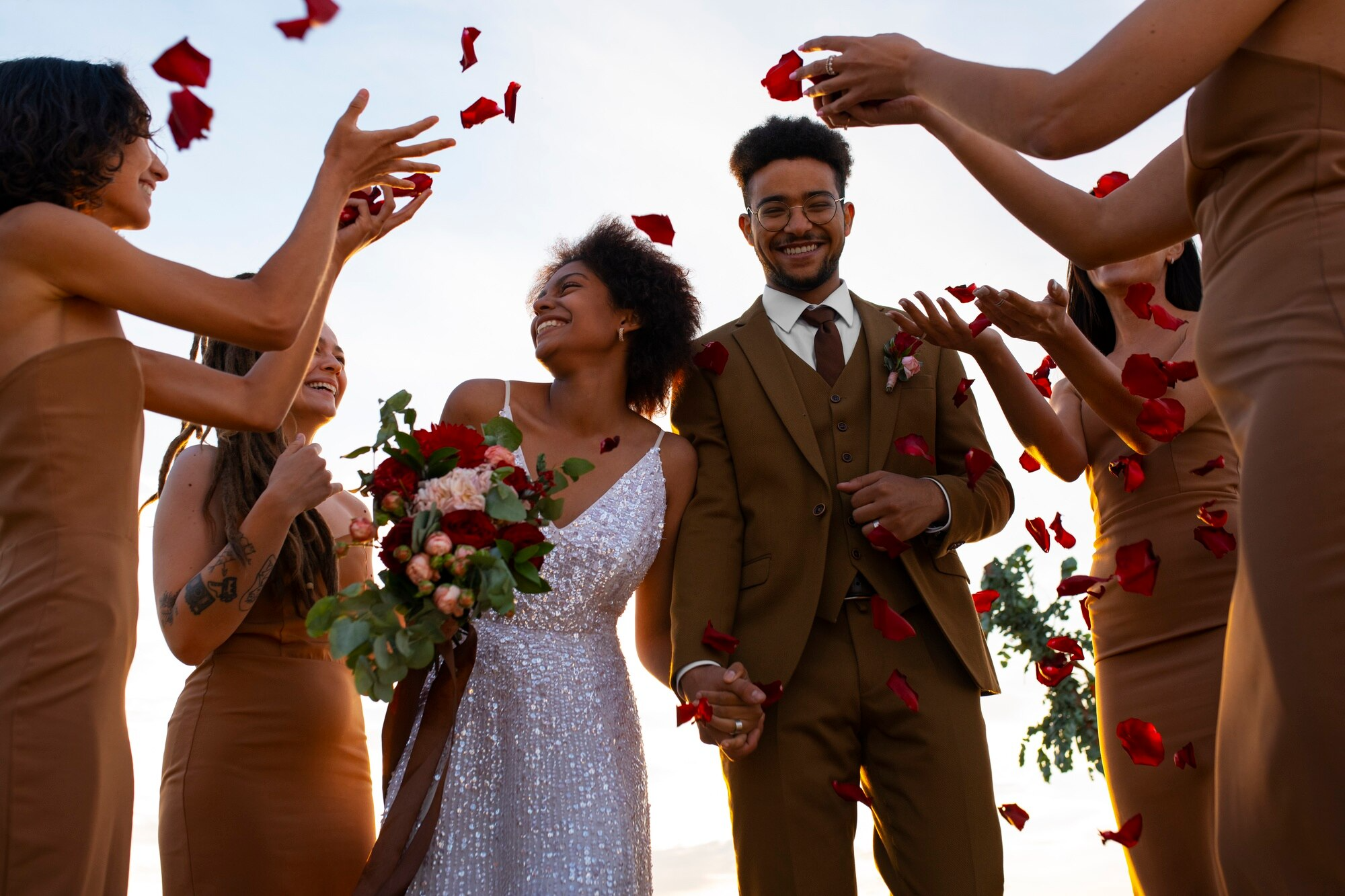
The Maasai tribe of Kenya has a wedding custom in which the bride's father spits on her head and chest. In Maasai tradition, the father's saliva is thought to contain his life essence, blessings, and protection. By spitting on her, he ensures her wealth and protects her from bad luck. Rather than an insult, this gesture is a powerful symbol of blessing, good fortune, and fertility as she leaves her house to start a new life.
Following the blessing, the bride departs the village with her new husband without looking back, symbolizing the complete embrace of her new life and household.
India, The Shoe Stealing Ritual
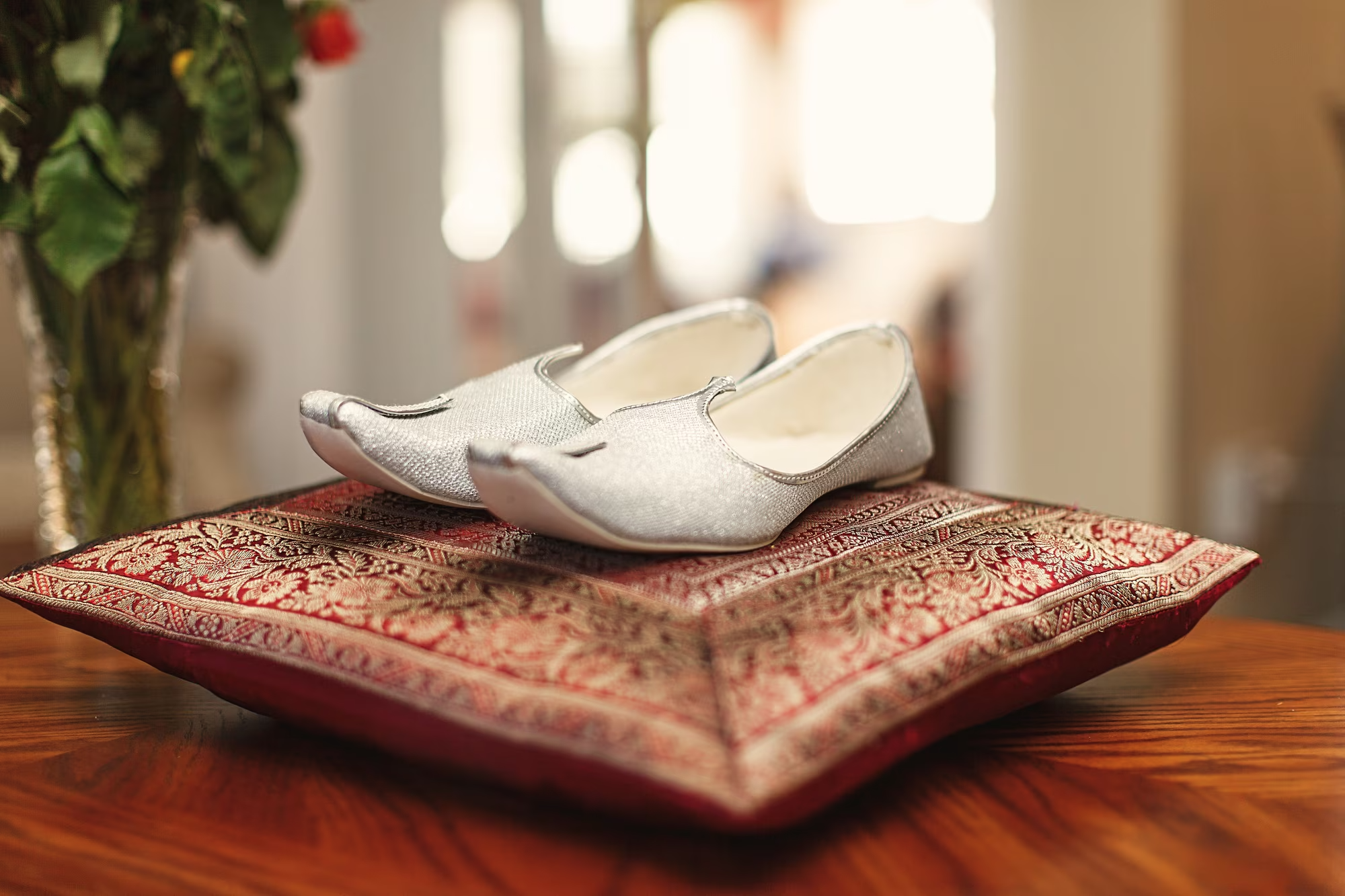
This is a traditional Hindu wedding ritual termed “Joota Chupai”, where the groom's wedding shoes get stolen. The groom needs to remove his shoes before entering the wedding mandap; that’s when the bride’s sister and friends steal the groom’s shoes. They then demand for cash ransom or gifts in exchange for the shoes.
While the game seems to be about stealing shoes, it has a deep cultural significance. It serves as a fun icebreaker, reducing the stress and nervousness of the wedding day. More significantly, it brings the two families together, removing barriers and allowing the bride's and groom's sides to laugh, bond, and enjoy their new relationship.
South Korea, The Groom’s Feet is Beaten
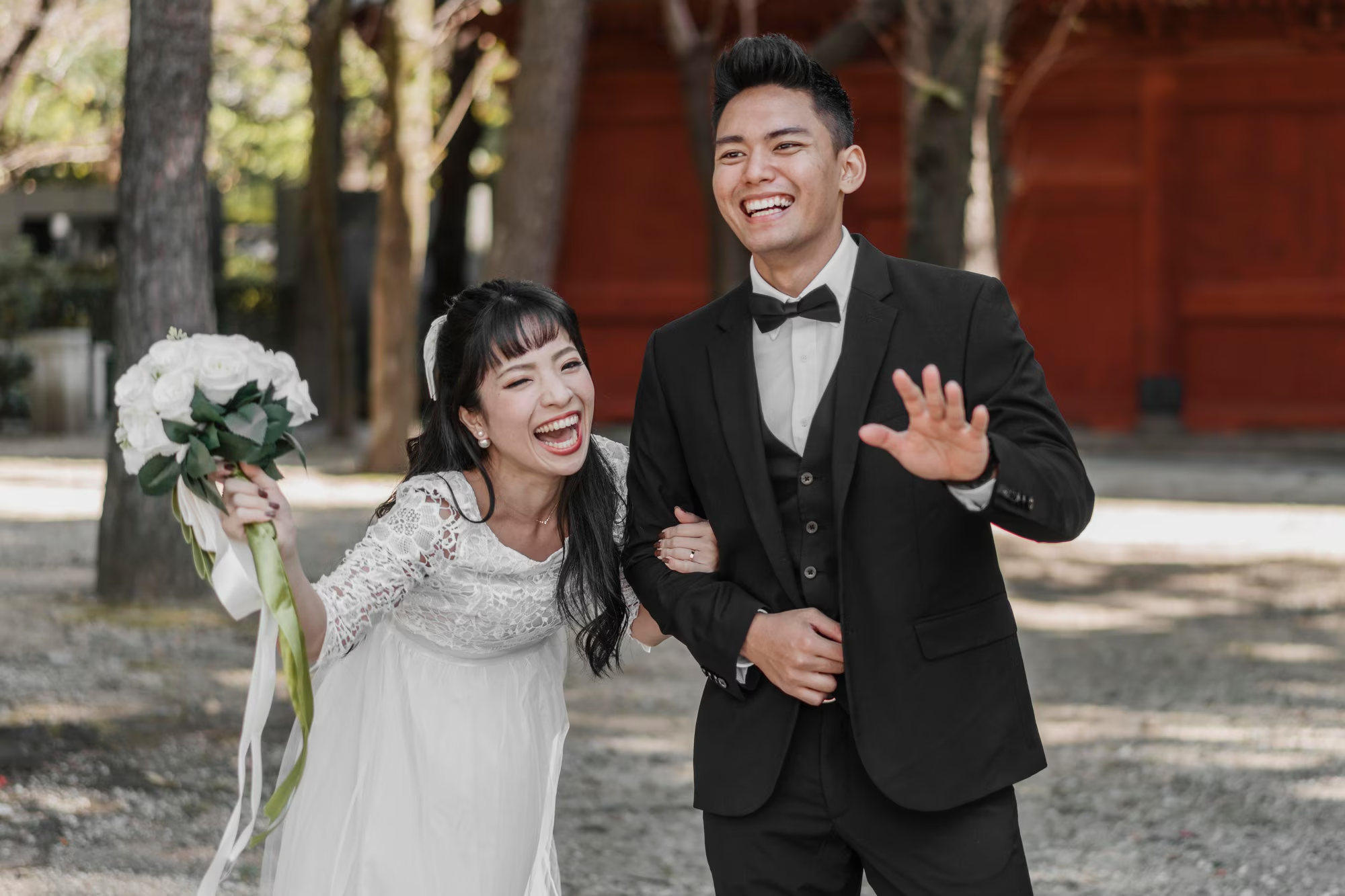
In some parts of South Korea, grooms are not allowed to leave with their new wives until their feet have been beaten. Following the ceremony, groomsmen or family members remove the groom's shoes and tie his ankles with rope before taking turns beating his feet with a stick, or, in some circumstances, a dried fish. Fortunately, the ceremony is brief and is regarded as a joyful part of the day designed to test the groom's strength and character.
The historical significance of the ceremony is to test the groom’s stamina for marriage and guarantee good health. But now, it is taken as a humorous bonding event filled with laughter and joy.
Wrapping Up
Every place, every community has its own unique wedding ritual; though they differ widely, the essence of the ritual remains the same, spreading love and joy along with valuing customs and emotions. The whole idea is to demonstrate that marriage is a precious milestone that ought to be celebrated with your loved ones while keeping the traditional roots intact. No matter how absurd and funny some customs seem to be, by continuing to perform them, we are able to keep our culture and tradition alive.
Tell us which one from the above list, did you found to be the most unique wedding ritual?
- Top 9 Unique Wedding Rituals
- Germany, Porcelain Smashing
- Italy, Bomboniere Favors
- Philippines & Poland, The Money Dance
- Scotland, Blackening The Bride
- China, Tears of Joy/ Zuo Tang
- Japan, Sake Ritual in San-San-Kudo
- Kenya, The Spitting Ritual
- India, The Shoe Stealing Ritual
- South Korea, The Groom’s Feet is Beaten
- Wrapping Up